Top
Carpenter Ants

How to Identify Carpenter Ants

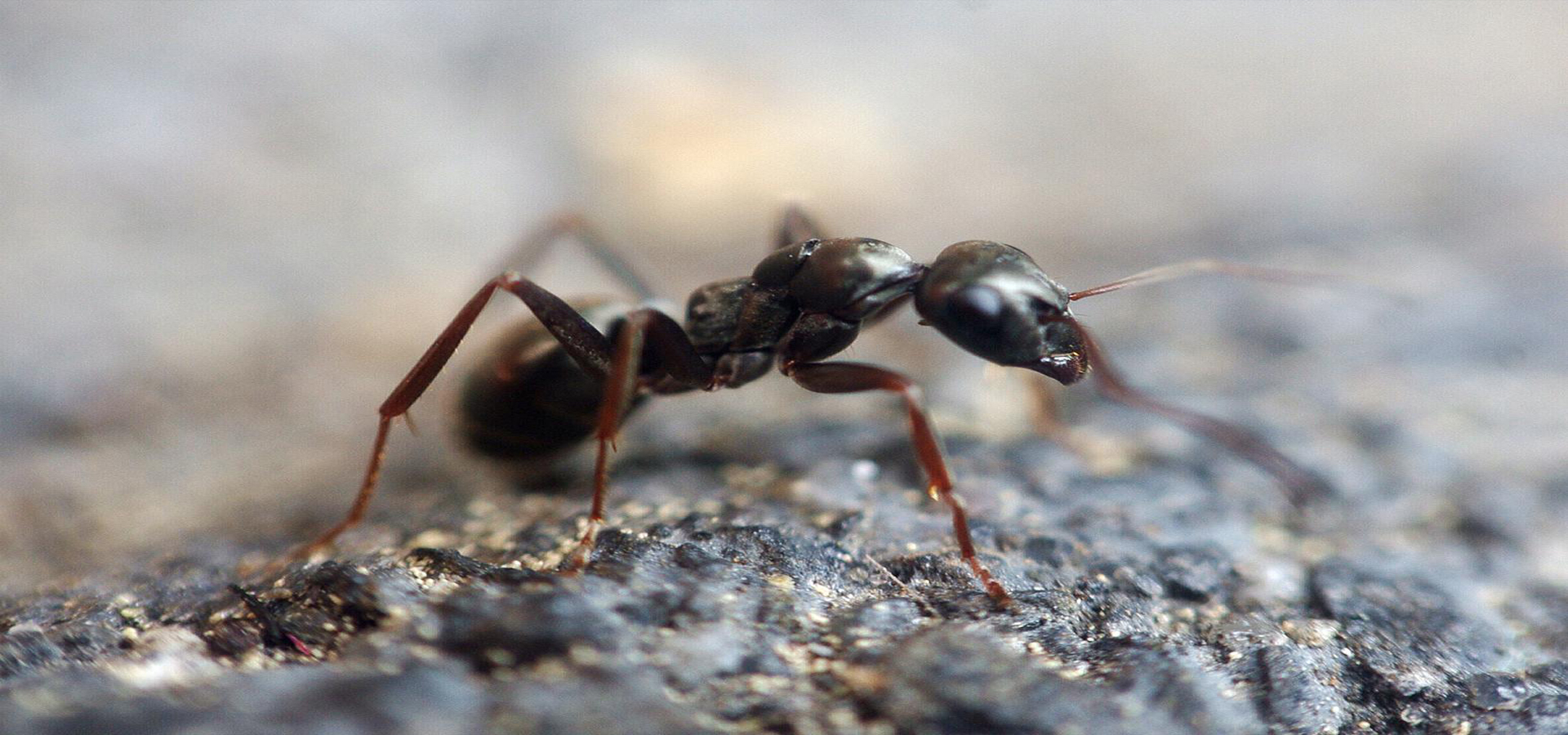
Carpenter ants are among the largest ants in Canada. They tunnel through wood to establish their nests, causing significant structural damage.

Physical Characteristics

  • Size: 6-13 mm in length (workers)
  • Color: Black, reddish-brown, or combination
  • Body: Smooth and rounded thorax, narrow waist
  • Antennes: Bent, no club

Where Carpenter Ants

Wooden Structures

Beams, joists, frames, door and window frames in damp or rotten wood.

Outdoors

Tree stumps, firewood, fence posts, wooden decks.

Humid Areas

Basements, crawl spaces, bathrooms, kitchens with moisture problems.

Wall Cavities

Between walls, under insulation, in empty spaces of structures.

Risks and Consequences

Carpenter ants can cause significant structural damage to your property by tunneling through wood to establish their colonies.

Structural Damage

  • Weakening of wooden structures
  • Damage to beams and joists
  • Costly repairs if left untreated
  • Risk of collapse in severe cases
  • Depreciation of property value

Other Impacts

  • Possible food contamination
  • Nuisance from constant presence
  • Painful bites if disturbed
  • Rapid spread to other areas

Did You Know?

A mature carpenter ant colony can contain up to 3,000 individuals and several satellite colonies. The queen can live up to 25 years.

Carpenter ants do not eat wood, but excavate it to create their nests. They feed mainly on honeydew produced by aphids and other insects.

Signs of Infestation

Quickly detect the presence of carpenter ants by monitoring these telltale signs

Sawdust

Small piles of fine sawdust (frass) under wooden structures, a sign that ants are tunneling. May contain insect parts.

Winged Ants

Presence of winged ants (reproductives) in spring, a sign of a mature colony established for 3-6 years in the structure.

Sounds in Walls

Scratching or rustling sounds in walls, ceilings or floors, especially at night when ants are active.

Ant Trails

Long lines of ants following regular paths, especially at night between dusk and midnight, their peak activity period.

Damaged Wood

Wood that sounds hollow when tapped, smooth and clean galleries in wood, weakened or easily crumbling surfaces.

Satellite Nests

Discovery of secondary nests in humid or damaged areas, connected to the main nest by ant trails.

Prevention Tips

Protect your home against carpenter ants with these preventative measures

Moisture Control

Repair water leaks, ensure good ventilation, use dehumidifiers. Eliminate any source of excessive moisture.

Wood Management

Keep firewood away from the house, remove stumps and dead wood. Avoid direct wood-to-ground contact.

Sealing Entry Points

Seal cracks and openings in foundations, walls and around doors and windows. Install weatherstripping.

Regular Maintenance

Regularly inspect wooden structures, trim branches touching the house, clean gutters.

Our Professional Treatment

Complete and guaranteed elimination with our 4-step protocol

1

Detailed Inspection

Complete inspection of the property to locate the main nest and satellite nests. Identification of risk areas.

2

Targeted Treatment

Application of professional baits and insecticides directly into nests and on ant trails.

3

Perimeter Treatment

Exterior protection with insecticide barrier around the foundation to prevent reinfestations.

4

Guaranteed Follow-up

Follow-up visits to verify treatment effectiveness. Free retreatment if necessary according to guarantee.

Why Choose Intactgp?

Certified Technicians

Written Guarantee

24/7 Service

Safe Products

Need a Quick Intervention?

Don't let carpenter ants damage your home. Contact us now for a free inspection and detailed quote.

Emergency 24/7